Primer Series · Page 4 – Reading the Label
A whiskey label is a legal document as much as it is a marketing tool. Knowing how to decode it — including what the marketing language doesn’t tell you — can significantly sharpen your ability to choose bottles and understand what’s in the glass.
What a Label Must Tell You
The US Alcohol and Tobacco Tax and Trade Bureau (TTB) mandates certain disclosures on every label of American whiskey sold domestically. Here’s what each element means:
Brand Name – Required
The commercial name of the product. This is almost always the most prominent element on the label and carries no regulatory weight on its own. “Pappy Van Winkle” and “Buffalo Trace” are brand names — they tell you who made (or markets) the whiskey, but not necessarily where or how.
Class & Type Designation – Required
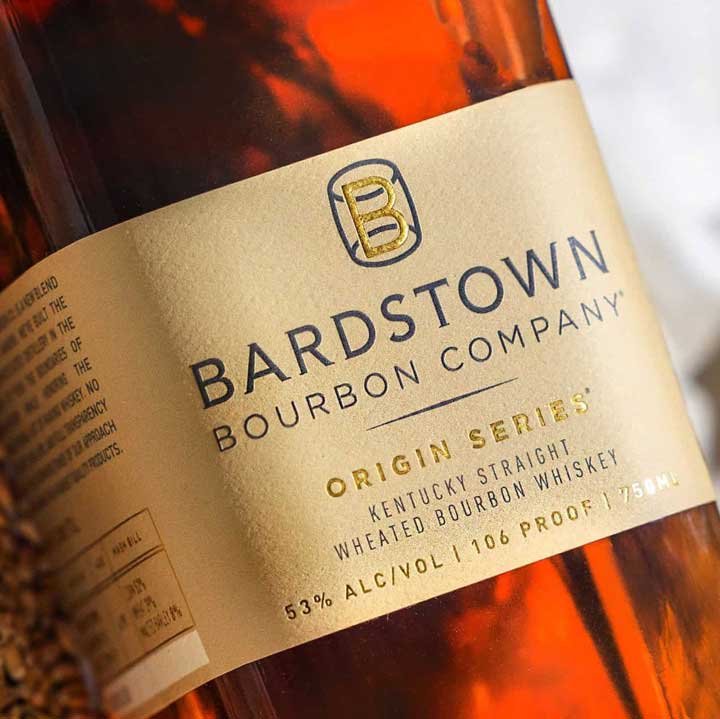
The legally defined category: “Straight Bourbon Whiskey,” “Straight Rye Whiskey,” “Kentucky Bourbon Whiskey,” etc. This is one of the most informative elements on the label. Each designation carries specific legal production requirements. If a label says “Straight Bourbon,” you know it’s at least 2 years old, made from 51%+ corn, aged in new charred oak, and contains no additives.
Alcohol by Volume (ABV) / Proof – Required
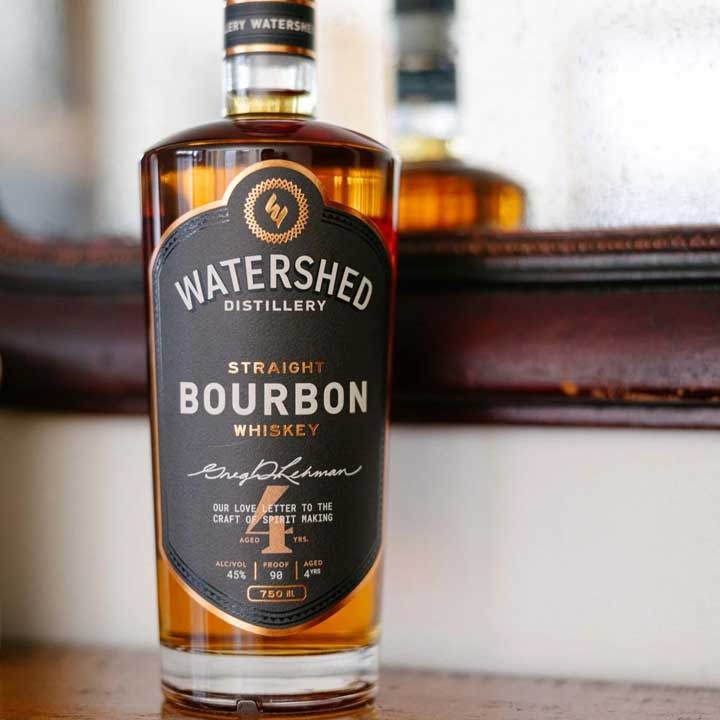
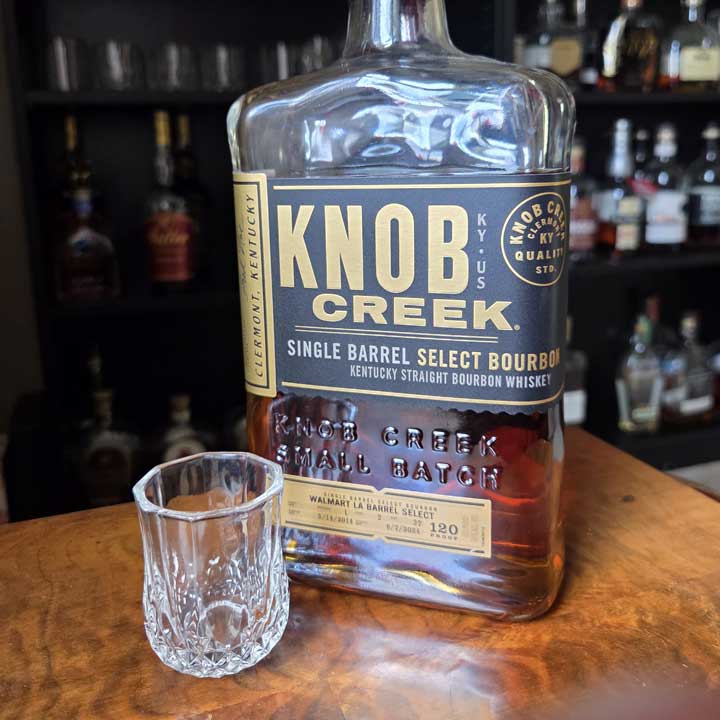
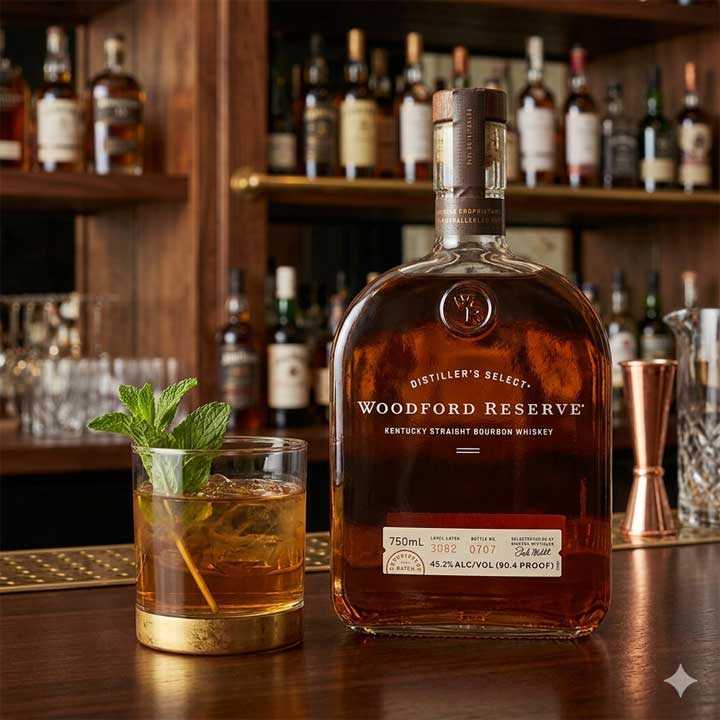
ABV is the percentage of alcohol in the bottle. Proof is the American system of expressing this — simply ABV × 2. A bottle at 50% ABV is 100 proof. Minimum legal bottling proof for bourbon is 80 proof (40% ABV). See the proof table below for common benchmarks and what they mean for the drinking experience.
Net Contents – Required
Volume of the bottle (750ml, 1L, etc.). Not glamorous, but required.
Bottler / Distiller Name & Address – Required
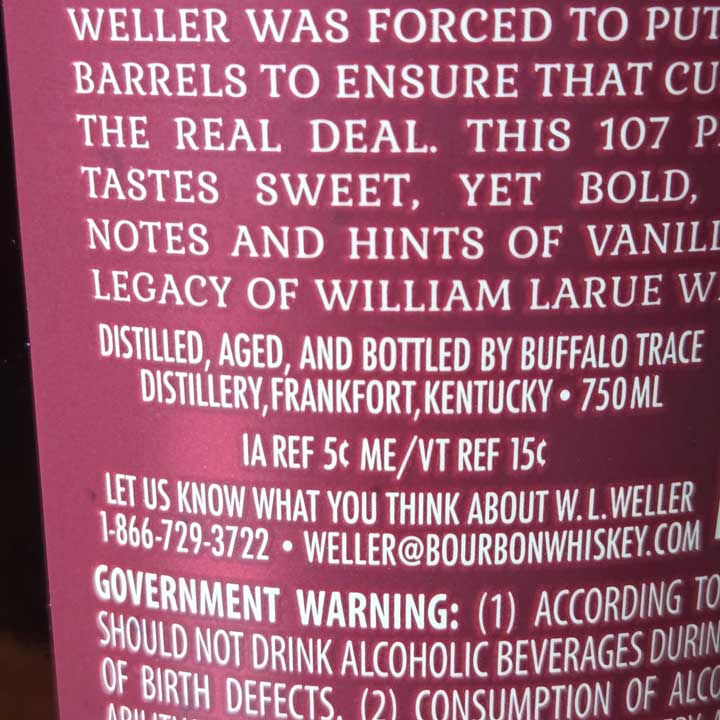
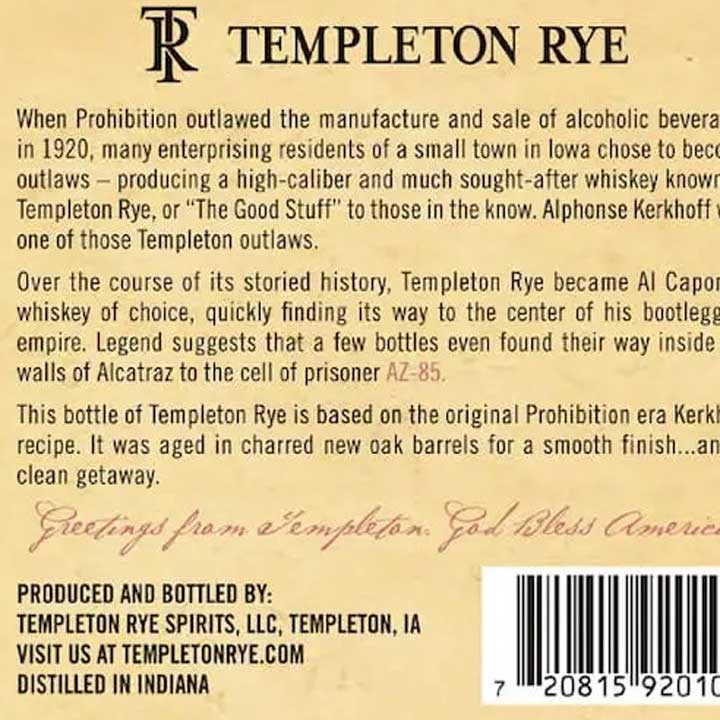
This is where things get interesting — and occasionally misleading. The label must list who bottled the product, but “bottled by” is not the same as “distilled by.” See the NDP section below for more detail.
Age Statement – Required only in some cases
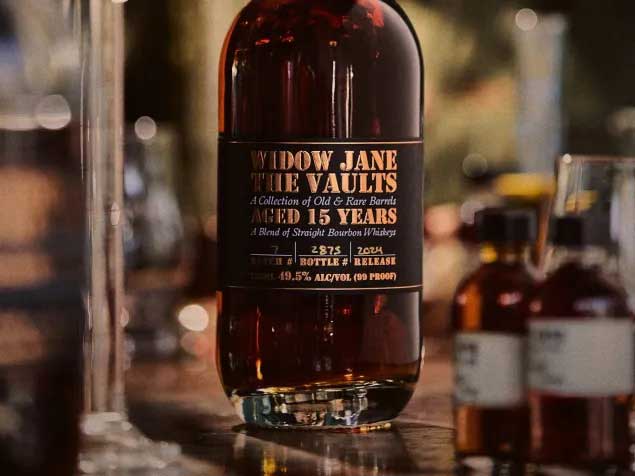
An age statement tells you the age of the youngest whiskey in the bottle. For “Straight” bourbon or rye, an age statement is required if the whiskey is less than 4 years old. If no age statement appears on a straight whiskey, it is at least 4 years old — though it may be significantly older. Age statements are not required (but may be voluntarily disclosed) for whiskeys aged 4+ years.
State of Distillation – Optional but Revealing
If a whiskey is labeled “Kentucky Straight Bourbon Whiskey,” it must have been both distilled and aged in Kentucky. However, if the label just says “Straight Bourbon Whiskey” with a Kentucky address, the distillation may have occurred elsewhere. “Produced by” or “Distilled by” language on the label confirms where the actual distillation happened.
Proof: What the Number Means for Your Glass
| Proof | ABV | Common Use | Flavor Impact |
|---|---|---|---|
| 80 proof | 40% | Legal minimum; budget-friendly bottles | Lighter, gentler; easier to drink neat |
| 86–90 proof | 43–45% | Entry to mid-range bottles | Good balance of flavor and approachability |
| 100 proof | 50% | Bottled in Bond standard; many premium expressions | More flavor intensity; excellent in cocktails |
| 107–114 proof | 53.5–57% | Premium releases; single barrels | Bold, full-flavored; water recommended for some |
| 120–130 proof | 60–65% | Cask strength expressions | Maximum flavor; often benefits from a few drops of water |
| 140+ proof | 70%+ | Rare ultra-high-proof releases | Intense; always add water for optimal tasting.
Almost exclusively cask strength releases from particularly high-proof barrels. |
Cask Strength / Barrel Proof
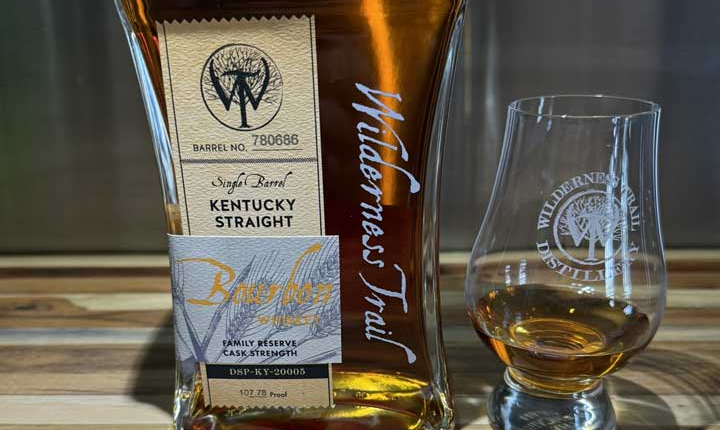
These terms mean the whiskey was bottled at the proof it came out of the barrel — no dilution with water. Proof varies from barrel to barrel and release to release. Cask strength releases are prized by enthusiasts because they allow the drinker to customize their experience: taste it neat, then add water a few drops at a time to see how the flavors open up. Many experienced tasters find that a tiny addition of water “opens up” aromatics that are masked at full strength.
The NDP Question: Who Actually Made This?
One of the most misunderstood aspects of the American whiskey market is the role of Non-Distiller Producers (NDPs) — companies that purchase bulk whiskey from large distillers, blend or select it, give it a brand identity, and sell it as their own.
This is entirely legal and not inherently a problem — some NDPs do excellent, thoughtful work selecting and finishing whiskeys. But knowing the practice exists helps you read labels more critically.
How to Identify an NDP
- “Bottled by” without “Distilled by”: If the label says “Bottled by XYZ Spirits, Louisville, KY” but never says “distilled by,” XYZ may be an NDP purchasing from another distillery.
- “Produced by” vs. “Distilled by”: “Produced by” can legally mean the company oversaw production — even if they contracted another distillery to do the actual distilling. “Distilled by” is more specific.
- DSP Number: Every American distillery has a Distilled Spirits Plant (DSP) number. Online resources allow you to look up any DSP number and identify the actual distillery of origin.
- “Indiana Whiskey” in a Kentucky bottle: Large distilleries in Indiana (notably MGP, now Ross & Squibb Distillery) have supplied bulk whiskey to dozens of brands. During the bourbon boom of the 2010s, many new brands were MGP sourced — not a quality indicator either way, but worth knowing.
Marketing Language vs. Legal Designations
Some terms on whiskey labels carry legal weight. Others are pure marketing. Here’s a quick reference:
- “Straight” – Legally Defined – A highly meaningful designation. “Straight Bourbon Whiskey” must be aged at least 2 years and contains no added colors or flavoring. It’s one of the most reliable quality signals on an American whiskey label. If it is aged less than 4 years, it must display an age statement (e.g. “Aged 3 years”).
- “Kentucky Straight” – Legally Defined – This designation requires the whiskey to be “born and raised” in Kentucky. It must be distilled in the state and age there for at least one year. Because it is also labeled “Straight,” it must hit a total age of at least two years before bottling.
- “Bottled in Bond” – Legally Defined – Regulated since 1897. Guarantees: one distiller, one distillery, one season, minimum 4 years in a federally bonded warehouse, bottled at exactly 100 proof. One of the most meaningful quality guarantees in American whiskey.
- “Single Barrel” – Meaningful – While not a fully regulated term, “single barrel” is generally understood and used honestly to indicate the bottle came from one individual barrel. This means the flavor may vary slightly bottle to bottle, even within the same release.
- “Small Batch” – No Legal Definition – No regulatory standard exists for “small batch.” Some producers define it as fewer than 20 barrels; others use hundreds. It’s a marketing term. Don’t let it influence your evaluation of the whiskey on its own.
- “Handcrafted” / “Handmade” – No Legal Definition –No regulatory definition. Used on products from tiny artisan operations and massive industrial distilleries alike.
- “Reserve” / “Premium” / “Superior” – No Legal Definition – Purely marketing language. “Reserve” in American whiskey carries no legal meaning whatsoever.
The COWS Blind Tasting Advantage
This is exactly why COWS tastings are done blind. Label literacy matters for making smart purchases — but at the tasting table, it’s a distraction. The terms “reserve,” “premium,” “single barrel,” and even the distillery name all carry associations (and price-point expectations) that can bias your palate before the whiskey even touches your lips. Tasting blind removes that noise completely and forces an honest evaluation of what’s actually in the glass.
Continue the Whiskey Primer:
Previous: Page 3 — How Whiskey Is Made
You are here: Page 4 — Reading a Whiskey Label
Next: Page 5 — Tasting Techniques